Nominated works have been selected through a Cloud judging! The final judgment and awards ceremony will be held on November 19 at Design Festival 2026 Day2.
Entry No.21 Dekisugi
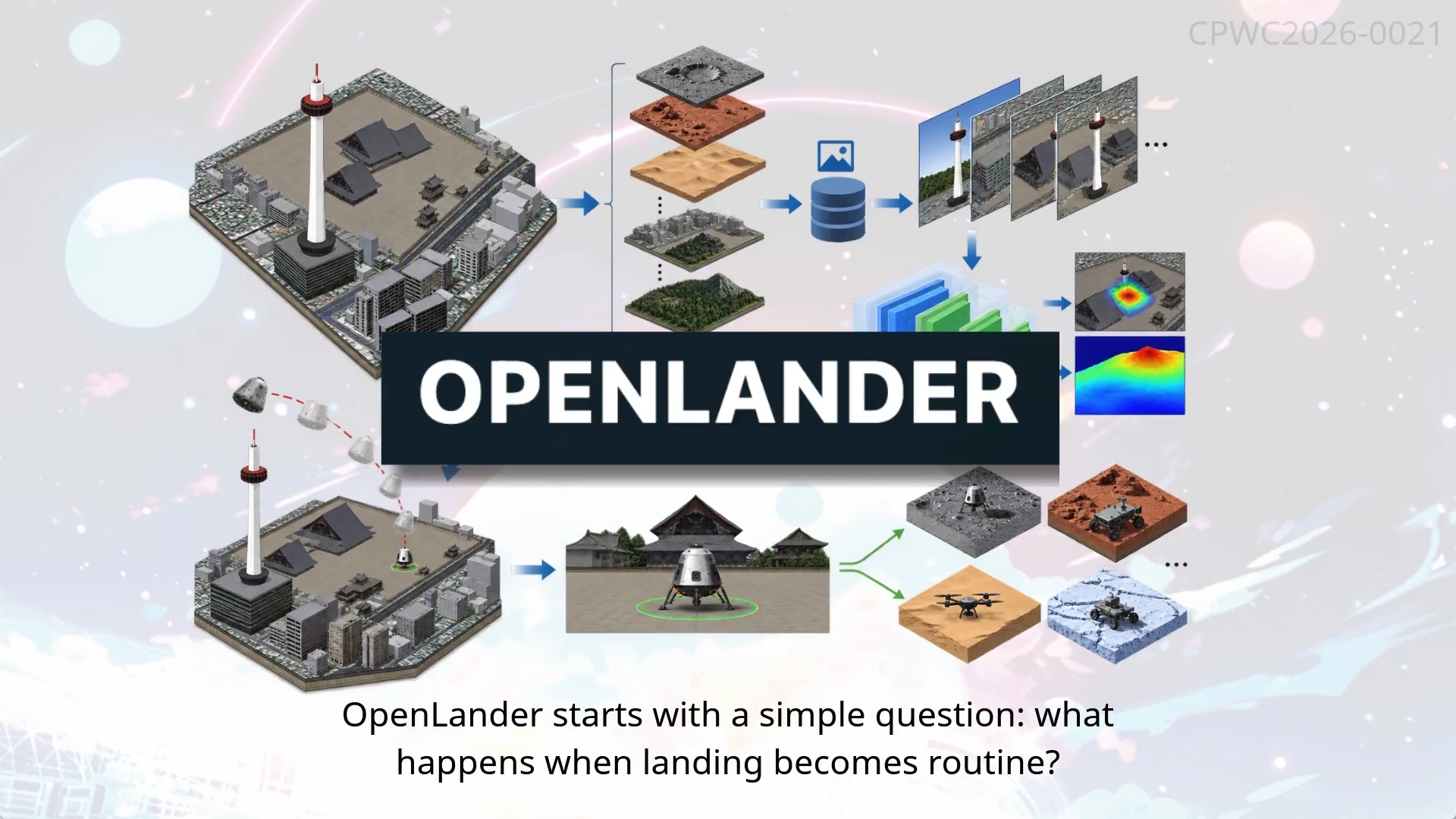
OpenLander is an AI-assisted landing decision system designed for future space vehicles, from spacecraft, reusable rockets to drones and planetary robots. It analyzes a sequence of RGB images during descent to estimate depth, understand terrain, detect hazards, and measure visual drift. The system then scores possible landing zones based on safety, obstacle clearance, reachability, mission context, and temporal stability. Instead of selecting one fixed target, OpenLander continuously updates its decision and can retarget when conditions change. More than 40 simulated landing scenarios are created to test the system across environments such as the Moon, Mars, deserts, cities, forests, and water.

Entry No.23 H.N.Z
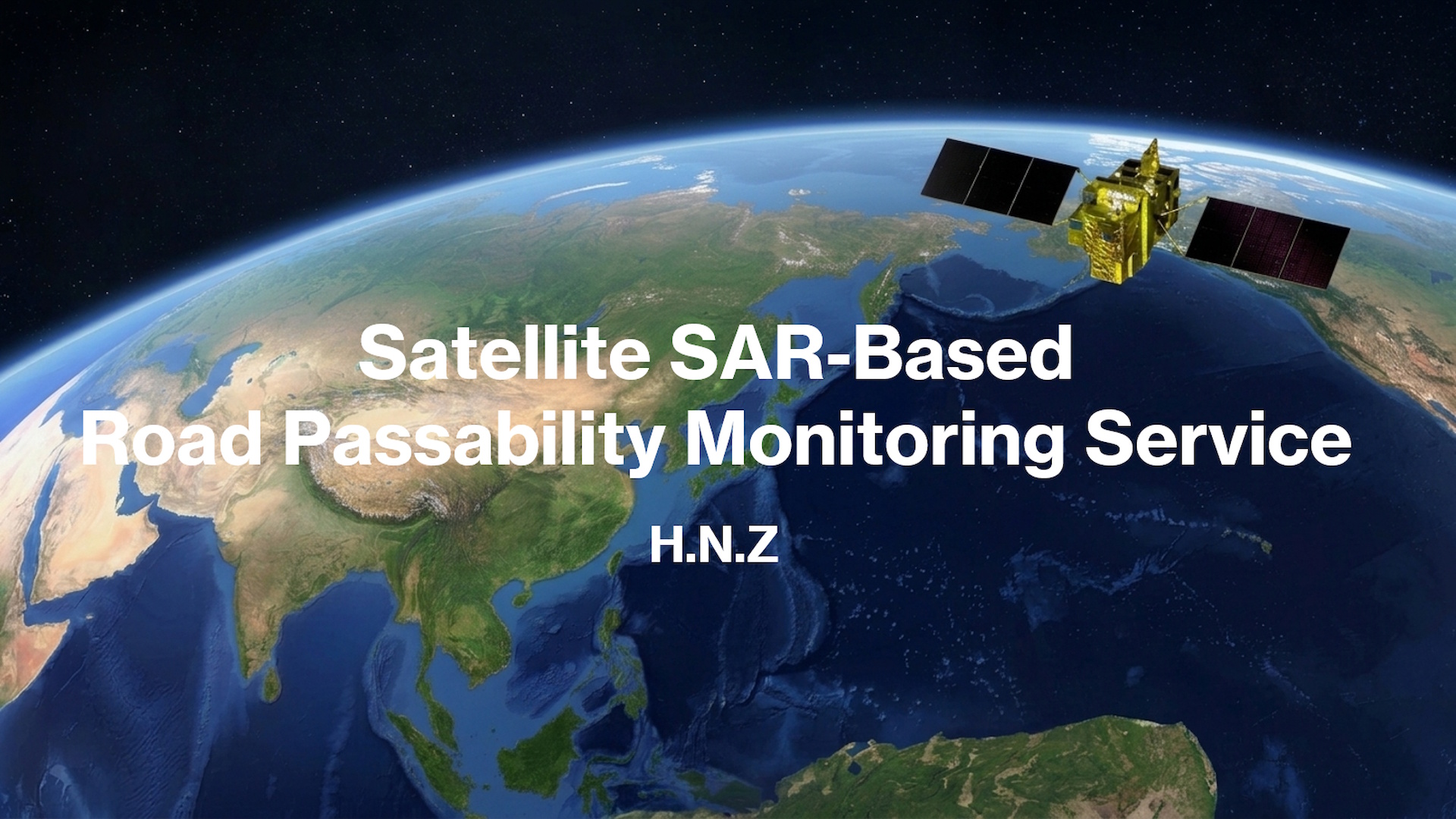
During disasters such as the 2024 Noto Peninsula Earthquake, landslides and road collapses can block transportation routes, affecting rescue operations and the delivery of supplies. Our service uses SAR images obtained from Tellus to analyze changes around roads before and after an earthquake and detect road blockages. The detected results are exported as a CSV file and imported into UC-win/Road to simulate the impact of road blockages on traffic. This enables understanding of road conditions during disasters and supports disaster response by infrastructure and logistics companies. In the future, we aim to develop the service to suggest alternative routes using these results.
Entry No.25 LunaPilot
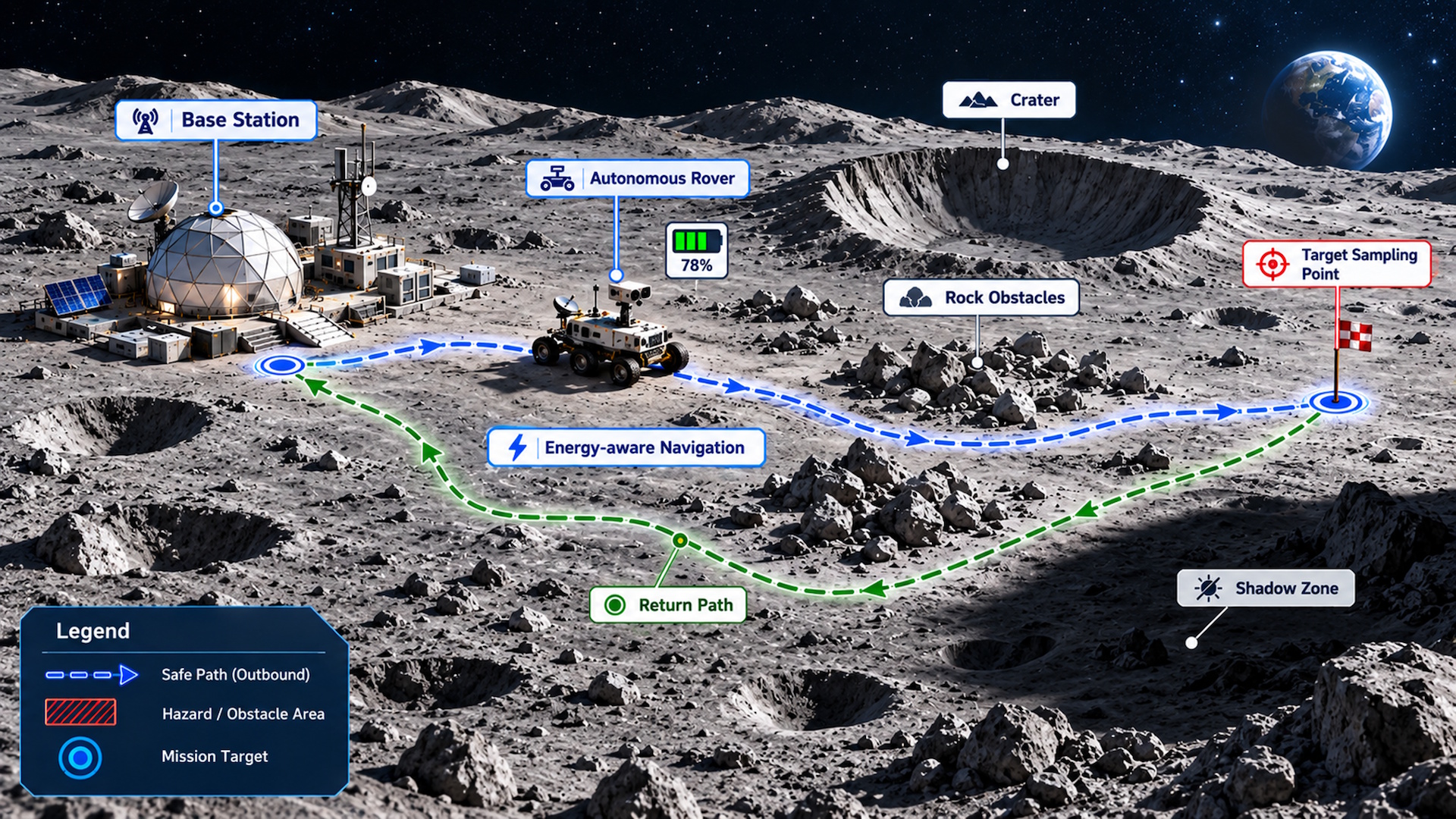
LunaPilot is an autonomous lunar rover digital twin developed in UC-win/Road. It enables a rover to travel from Satellite Base A to Energy Center B, avoid rocks and craters, and return along a different route. The system uses a third-person follow camera, ORB-based visual feature matching, relative motion estimation, obstacle mapping, topological keyframes, A* route planning, and teach-and-repeat control. A real-time dashboard visualizes camera images, feature matches, detected obstacles, vehicle pose, and outbound and return paths. The workflow supports manual route teaching, automatic replay, emergency stopping, session recording, and OBS video capture for clear competition video demonstration and evaluation purposes.
Entry No.27 AstroFlow
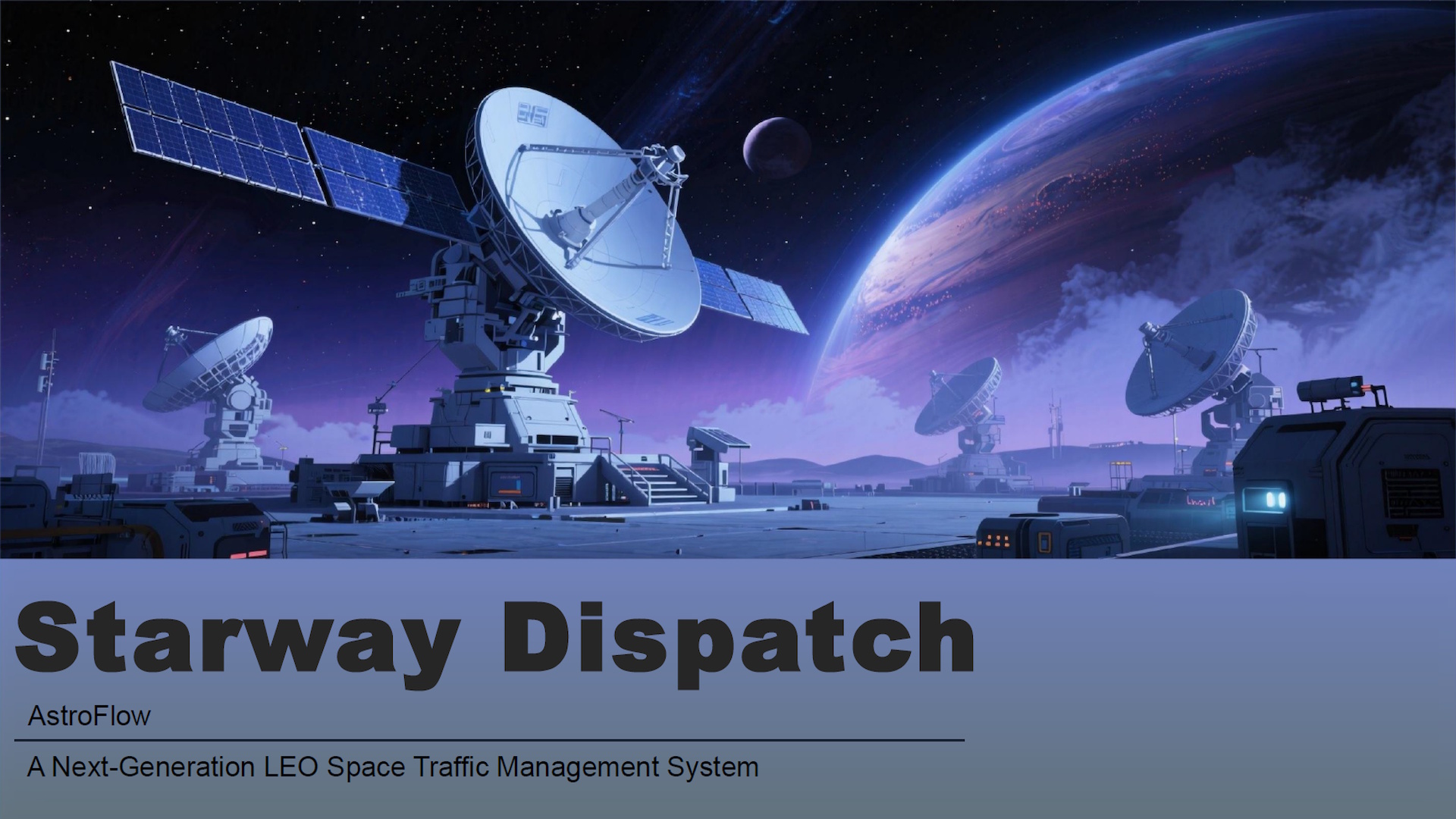
StarwayDispatch is an autonomous airspace management system developed via UC-winRoad SDK. It transforms passive simulations into an intelligent "Digital Brain" by intercepting 1,500+ background traffic units. Key innovations include a scientific density-based monitoring model and a unique "Virtual Node Fallback" algorithm, enabling seamless lane-changing across logically disconnected aerial bridges. Utilizing a high-precision 3-stage flight controller (Ascend-Lateral-Descend), the system ensures autonomous, collision-free coordination with sub-200ms latency. StarwayDispatch effectively bridges the gap between static road data and dynamic air mobility, enhancing traffic efficiency by 40% while providing a scalable framework for future smart city airspace.
Entry No.31 Blue Team
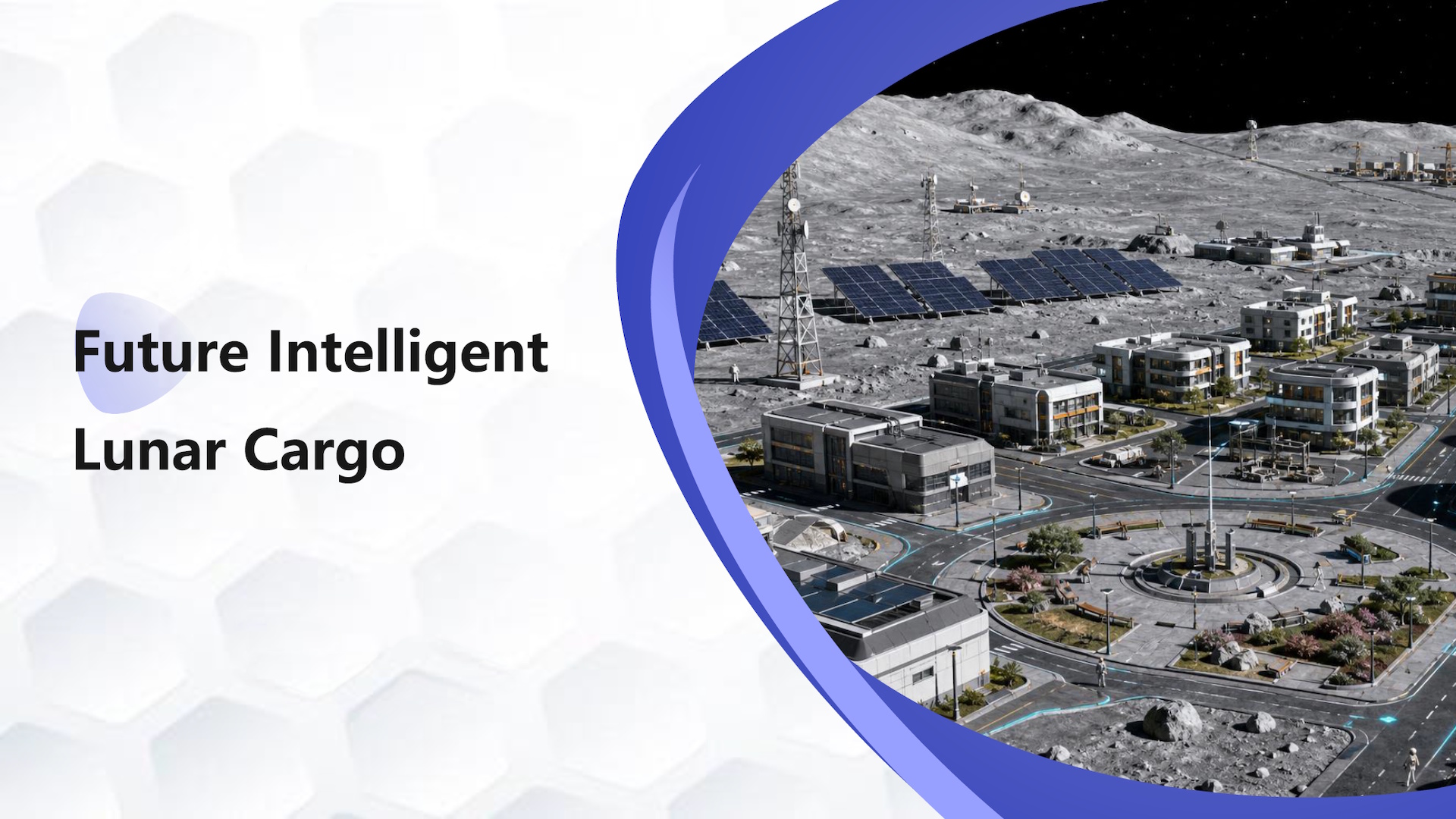
With the development of lunar exploration missions, intelligent cargo management is essential for future lunar bases. This project proposes a Lunar Cargo Base Smart Management System using Digital Twin technology. The system integrates AI perception, object tracking, 3D reconstruction, and large language models to achieve automatic cargo recognition, real-time monitoring, and intelligent management. A digital twin platform is developed to realize three-dimensional visualization and autonomous cargo operation with Qwen-based information query and AGV scheduling.
Entry No.32 Mobius
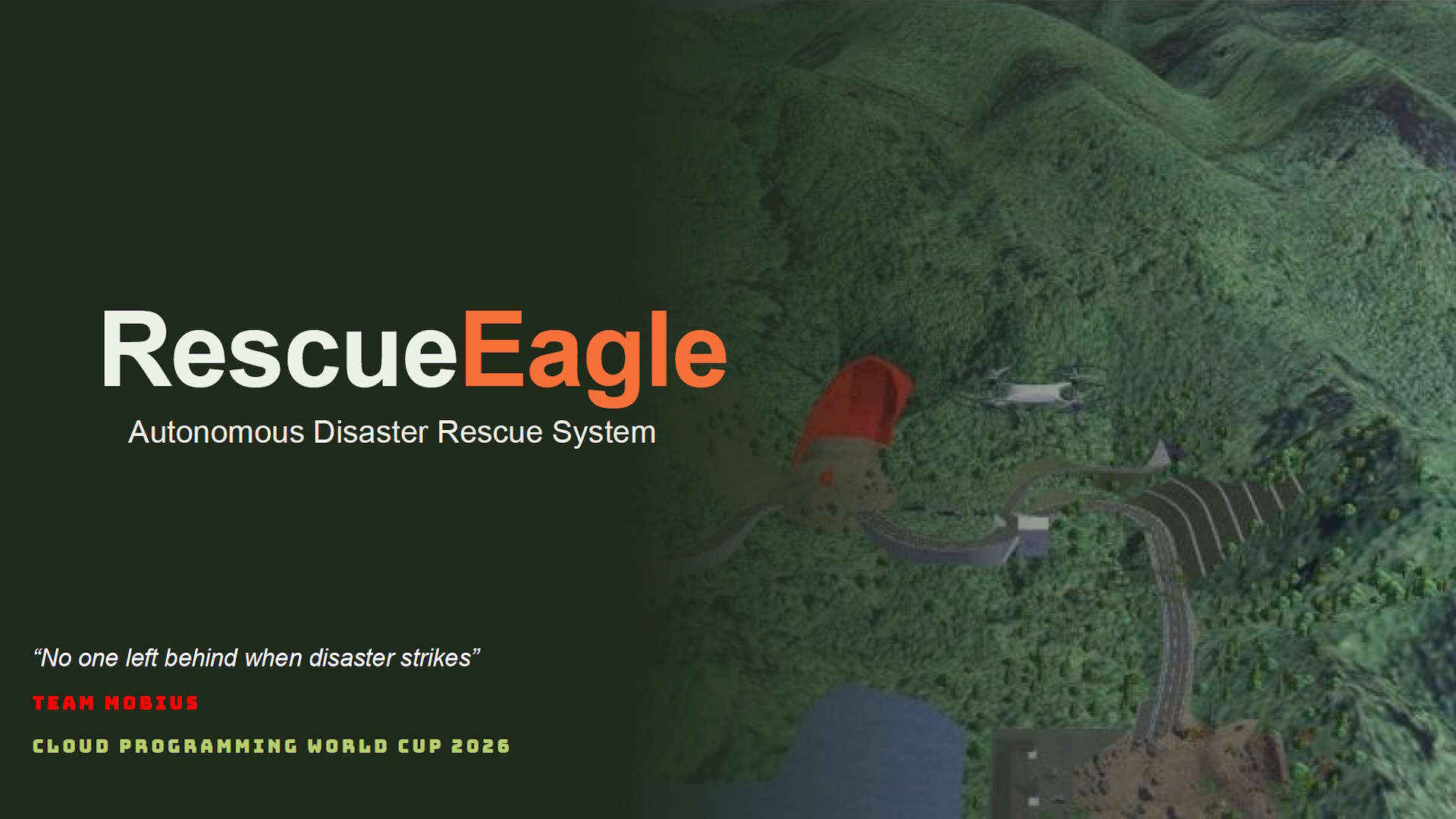
RescueEagle is an autonomous emergency rescue system designed for disaster zones where telecommunications are severely disrupted. Using a fleet of drones, the system rapidly deploys to provide critical aid and locate victims trapped under rubble. It operates independently of ground networks, utilizing a multi-modal sensor fusion approach- incorporating UWB Radar, thermal Cameras, Acoustic sensors, and Geophones-to detect breathing, body heat, cries for help, and seismic vibrations.The system features SOS Emergency Rescue for immediate relief drops, SAR Area Patrol for victim searching, and a Real-time Command Dashboard for live monitoring.
Entry No.34 OUSH
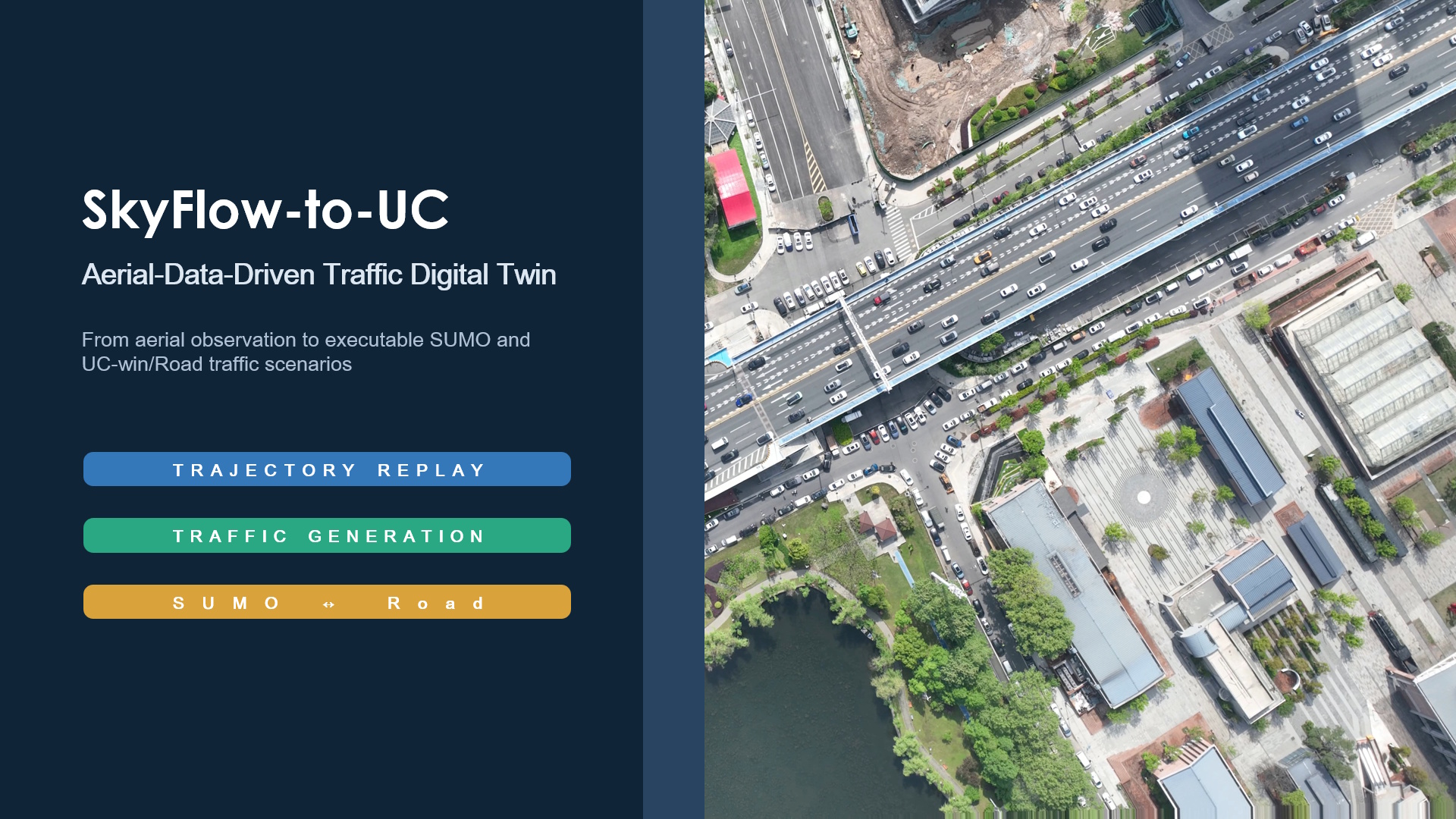
SkyFlow-to-UC is a working prototype that converts processed aerial and UAV vehicle observations into executable traffic digital-twin scenarios for SUMO and UC-win/Road. It provides two complementary workflows: full trajectory replay from CSV data and full traffic-flow generation from configurable road, demand, and driving-style parameters. IDM controls longitudinal motion, while a supervised LSTM classifier can generate lane-change intentions from 35 state features and a 10-frame history. Safety filters, mandatory exit routing, and cooldown rules constrain execution. The system records model decisions and connects SUMO traffic with UC three-dimensional visualization through a TraCI-based SDK plugin.
Entry No.40 GISELLE
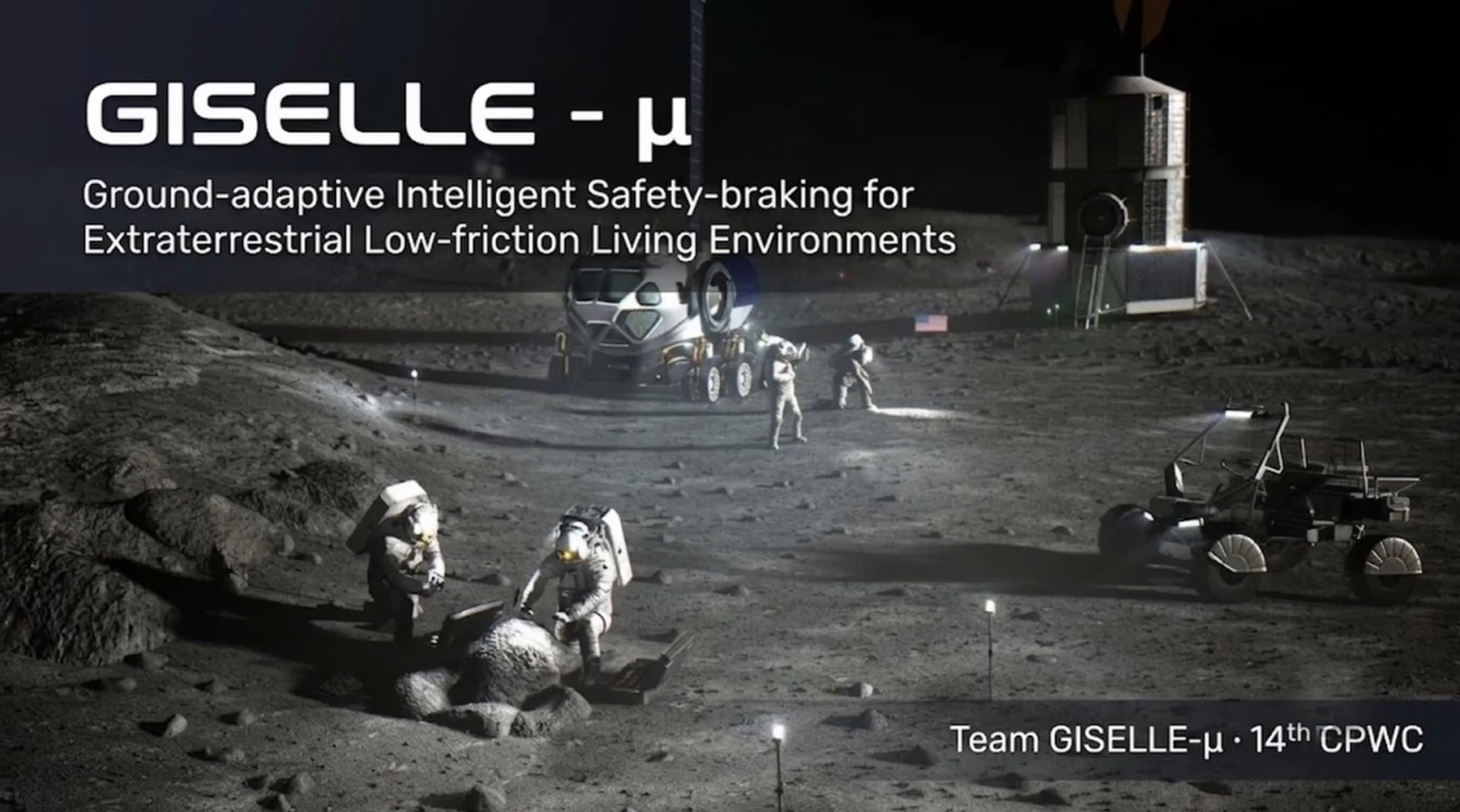
As humanity develops settlements on the Moon and Mars, vehicles will share roads with people. On regolith-like surfaces the friction coefficient falls far below asphalt (mu = 0.17), so braking distance grows more than five times (measured: 8.2 m on Earth vs 42.7 m, 5.2x), making Earth-tuned ADAS unsafe. GISELLE is a simulator-based pedestrian emergency braking system: YOLO detects pedestrians, a stereo-camera algorithm measures distance and speed, cross-verification against telemetry removes false positives, and a PWM brake controller stops the vehicle a class-aware margin before the pedestrian (8 m for adults, 10 m for children). Validated over 60+ runs with zero collisions within NASA ride-comfort limits.
Entry No.53 STRL Team
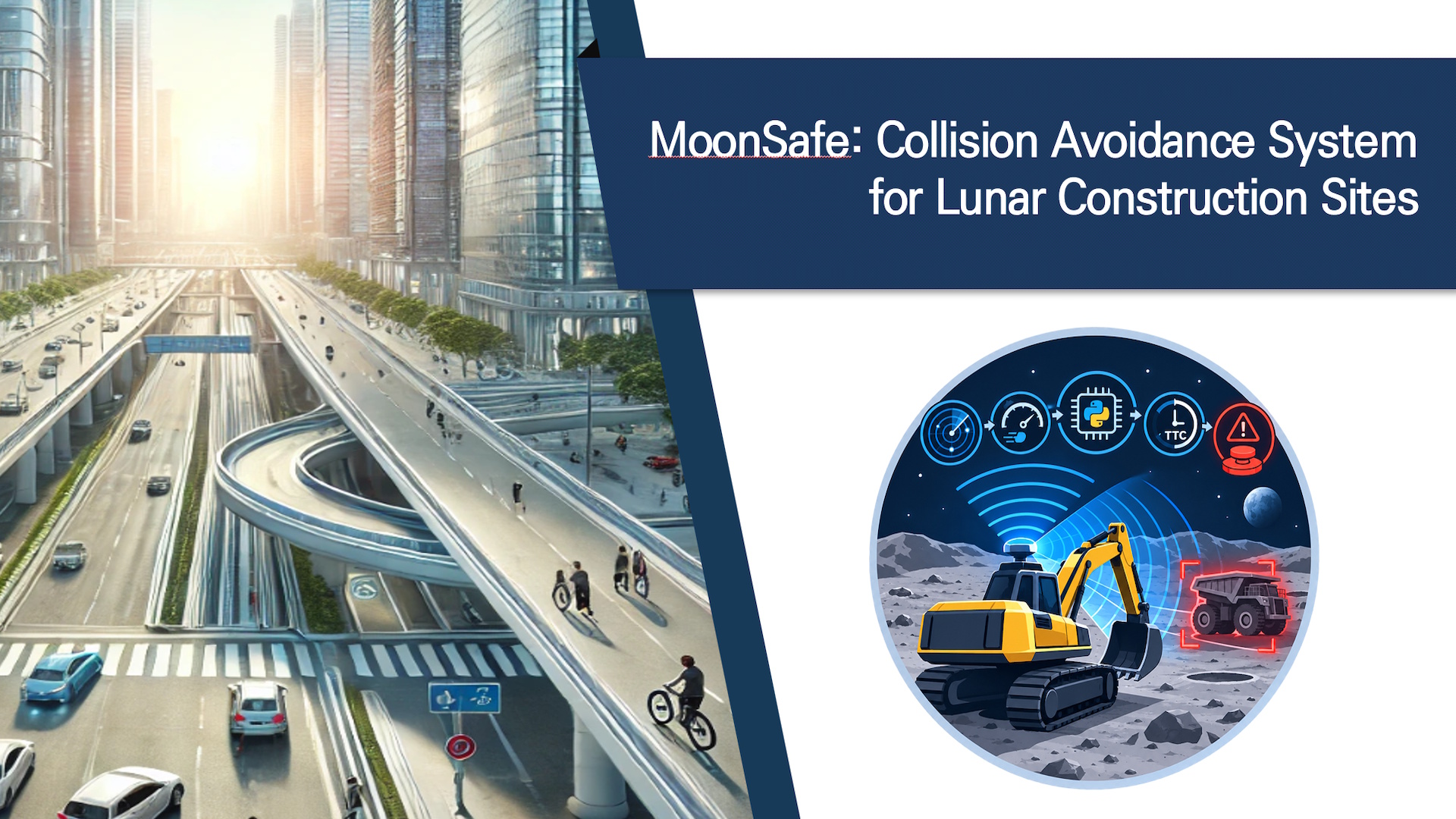
MoonSafe is collision avoidance system for autonomous and human-driven vehicles at lunar construction sites, where near-total darkness in shadow and drifting regolith dust make vision-based safety systems unreliable. Built on UC-win/Road's Python API, MoonSafe AutoBrake reads each nearby object's position, velocity, and heading in real time, predicts the closest point of approach using each vehicle's actual dimensions rather than a circular approximation, and directly engages the brake when a collision course is confirmed. A companion Radar UI gives the driver continuous visual and spoken time-to-collision alerts. Because it never relies on cameras, MoonSafe protects drivers even when nothing is visible which is applicible on automous vehicle for future task.
Many entries feature space, the lunar surface, spaceships, and space stations, and we look forward to seeing them further develop their unique project identities.
On July 7, the 1st round of judging for the 14th Cloud Programming World Cup was held, and the jury selected 29 entry teams from a large amount of applications from Japan and overseas. The entry teams are supposed to create and submit works, and the final judging and awards ceremony will be held at the Design Festival 2026-3Days in November after the advance nomination judging.
Emphasis was placed on the relevance to this year's theme, "space business," while the novelty and uniqueness of the works were also assessed. Many works were themed around space, the lunar surface, spaceships, and space stations.
We look forward to seeing participants clearly express their relevance to the theme and project uniqueness, while utilizing the jury's feedback to further develop their works.

▲The 1st round screening was held on July 7.
Jury from the left: Mr. Yoann Pencreach, Prof. Makoto Sato on the left side of the screen, Prof. Tomohiro Fukuda on the right side of the screen (Committee Chief), Assoc. Prof. Taro Narahara
Download PDF Poster
Theme: Implement Space Business: AI, Robotics, and Digital Technologies Shaping Next-Generation Space Systems
This is a competition whose objective is to use FORUM8's UC-win/Road, VR-Cloud®, Suite Chidori Engine®, SDK (Software Development Kit) for these programs, All-in-One 3D CG software Shade3D and its SDK to develop a competitive application or programs/software that link and interoperate with these software programs of FORUM8.
Use your programming skills and senses to take on the challenge of developing systems and applications. We look forward to receiving your application.
[Free rental software]
■UC-win/Road, UC-win/Road SDK (Software Development Kit)
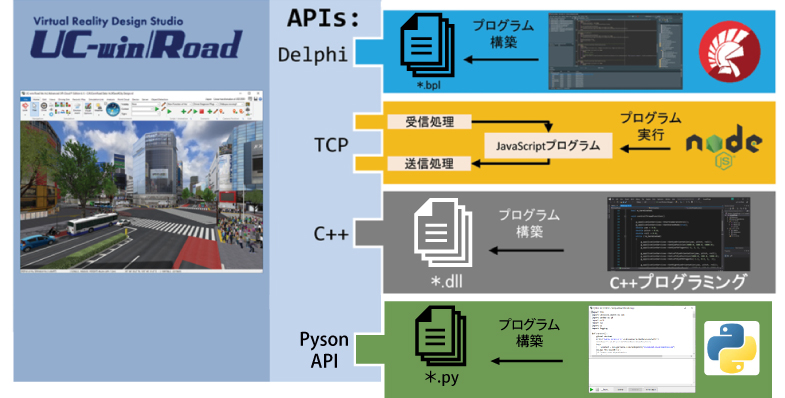
3D VR software UC-win/Road and its Development Kit for the creation of applications and options. The plugin development in Python is now supported.
■Shade3D, Shade3D SDK (Software Development Kit)
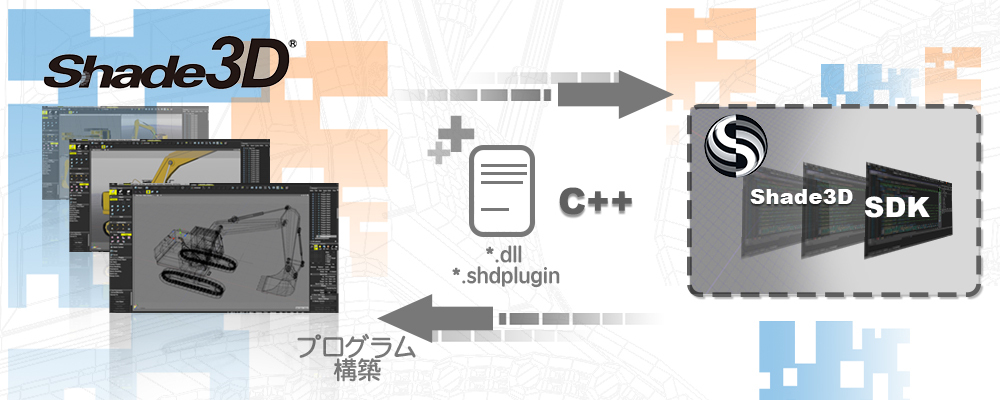
Develop high-performance functions for the integrated 3D CG software Shade3D using C++ language.
■Metavania F8VPS
(FORUM8 Metaverse)
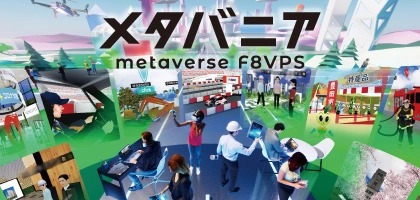
A 3D VR communication platform that uses virtual spaces and avatars, enabling the creation and editing of metaverse environments tailored to various purposes such as offices, showrooms, events, factory tours, training simulations, and operational management.
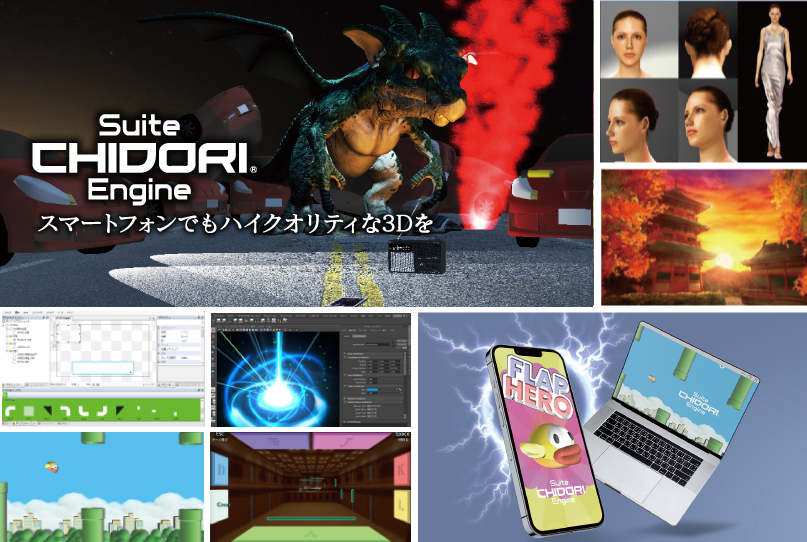
■Suite Chidori Engine®
A domestic cross-platform 3D game engine is now available on the iOS library in addition to the Windows OS. The editor function has been added for improving creation efficiency.
[Technical Services]
■majimon F8NFTS-Web 3system・NFT services-
[Development Environment]
■UC-win/Road SDK:Delphi, C++, Python, JavaScript
■Shade3D SDK:C++
■VR-Cloud® SDK:Delphi, Angel Script
■a3s SDK:Delphi, C/C++
■Suite Chidori Engine®:Visual Studio 2019
* Development could also be system embedment and cooperation developed by using C#, C++, JavaScript, java, Pascal, Python, Fortran, Ruby, R language.

Prof., Osaka University

Professor Emeritus of Institute of Science Tokyo
Assoc. Prof., College of Architectural Design New Jersey Institute of Technology

Senior Manager of Development Group, FORUM8

Wed. April 1 - Tue. June 30, 2026
Wed. April 1 - Fri. Nov. 20, 2026
Screening: Tue. July 7, 2026
Result notification: Fri. July 10, 2026
Fri. Sep. 18 - Fri. Sep. 25, 2026
Tue. Oct. 6 - Mon. Oct. 12, 2026
Tue. Oct. 13, 2026
Thu. Nov. 19, 2026
Venue: Shinagawa Intercity Hall (MAP)

World Cup Award (1 work)
Prize 300,000JPY
Excellence Award
Prize 100,000JPY
Honorable Judge Award (About 4 works)
Prize 50,000JPY
Nomination Award
Souvenir
Up to 3 members from the area other than Kanto area and 2 members from overseas in each team are scheduled to be invited.
Theme:
Implement Space Business: AI, Robotics, and Digital Technologies Shaping Next-Generation Space Systems
This is a competition whose objective is to use FORUM8's UC-win/Road, VR-Cloud®, Suite Chidori Engine®, SDK (Software Development Kit) for these programs, All-in-One 3D CG software Shade3D and its SDK to develop a competitive application or programs/software that link and interoperate with these software programs of FORUM8. The goal for the competing teams is to compete against each other in developing systems with unique and competitive content.
Use your programming skills and senses to take on the challenge of developing systems and applications. We look forward to receiving your application.
[Development Environment]
■UC-win/Road SDK:Delphi, C++, Python, JavaScript
■Shade3D SDK:C++
■VR-Cloud® SDK:Delphi, Angel Script ■a3s SDK:Delphi, C/C++
■Suite Chidori Engine®:Visual Studio 2019
>>Examples of application that can be developed using the VR-Cloud® SDK
* Development could also be system embedment and cooperation developed by using C#, C++, JavaScript, java, Pascal, Python, Fortran, Ruby, R language
The copyrights to all data, works, and products created through this competition shall remain the property of the authors.
FORUM8 shall have the right to edit and process the data, works, and deliverables created by the author, and shall have the right to use them for secondary purposes, such as publishing and distributing them on its website, e-mail news, PR magazines, books, magazines, newspapers, etc., as part of external announcements, research presentations, sales activities, and public relations activities.
The objective of the competition is to develop an application program or software with UC-win/Road, UC-win/Road SDK (Software Development Kit), VR-Cloud® SDK, Shade3D, and Suite Chidori Engine. This software could be: all-purpose software, application programs, engineering software, business software or game software as well as system embedment and cooperation developed by using C#, C++, JavaScript, java, Pascal, Python, Fortran, Ruby, and R language.
Competing students are asked to submit a set of source codes of the software they used and a Power Point slide and video that give an explanation on the source codes.
The work will be evaluated on how well SDK was used in the creation of the cloud software from the aspect of programming quality, rationality, technicality, aesthetics, originality, and how well it is presented.
Date: Thu. November 19, 2026
Venue: Shinagawa Intercity Hall (MAP)
Nominated teams will be asked to participate in the open judging and give a five-minute presentation. If you do not participate, you will not be eligible for an award.
Please register and submit your work plan in English during the entry period (Wed. April 1 – Tue. June 30, 2026).
Judging will be conducted anonymously. The name of the team or work should not identify the individual or group, such as the name of the country or school.
To register, please complete the page accessible from the button below with your team name, team members, etc.
Entry / Registration
※Ended
Please click the link below to download the Entry form, *complete the form, and upload it. *Make sure to present your work with an explanation of the overview of your work (in 100 words in English) and images.
The following information will be sent to you by e-mail after the entry has been accepted.
- Entry ID
- URL to download the data and materials provided for the production of the work
- Information on how to apply for seminars you wish to attend
The preliminary screening will be held on Tue. July 7, and the selection results will be announced on Fri. July 10. (Plan as of now)
Only teams that enter before the deadline and pass the qualifying round will be allowed to submit their works. Please submit your work by the submission period from Fri. September 18 to Fri. September 25, 2026, using the dedicated URL that will be sent to you at a later date.
[Documents to be submitted]
・Program application
・Source code and script (Text format)
・Simplified user manual (Word format, etc.)
・Program Concept, future tasks and ideas, etc. (PowerPoint format, etc.)
*This can include content not directly associated with the program
・Program demonstration video file not more than 5 minutes long (MP4 format)
FORUM8 Co. Ltd. Tokyo Head office Cloud Programing World Cup Section
Shinagawa Intercity A-21F, 2-15-1 Konan, Minato-ku, Tokyo 108-6021 Japan
TEL:03-6894-1888 FAX:03-6894-3888
E-mail:cpwc@forum8.co.jp
URL:http://www.forum8.co.jp/english/
Wed. April 1 to Fri. November 20, 2026
* The rental duration, license restrictions and format provided will depend on the individual product.
* Rental licenses allow the use of all the functions that each applicable software offers, but they cannot be used for purposes other than the competition.
■Metavania F8VPS (FORUM8 Metaverse)
■majimon F8NFTS-Web3 system / NFT services- (Technical services)
■Unique transmission technology a3s(Anything as a Service) SDK
Applicants can also participate in training and seminar (free or paid) on this software held by FORUM8.
 The 13th World Cup Award
Entry No.19 Intelligent Driving Escort Team,
Beijing Jiaotong University (China)
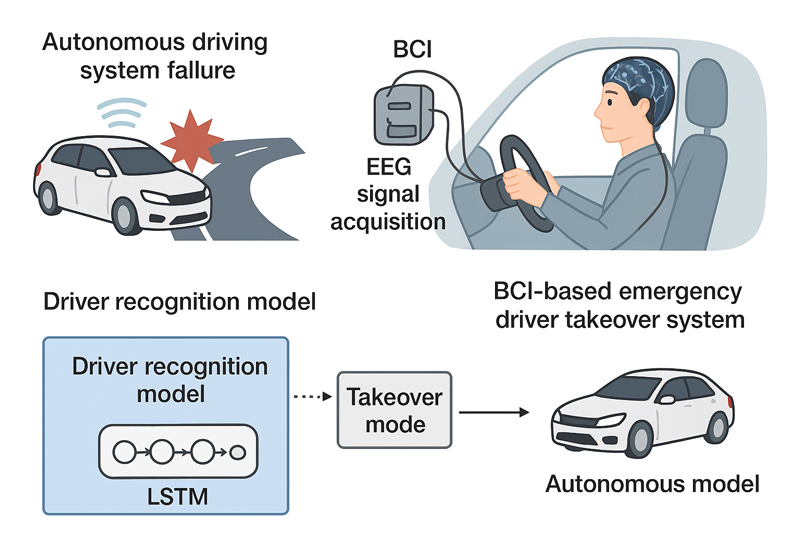
(1) Establish an EEG data acquisition platform tailored for drivers in autonomous vehicles, ensuring real-time signal capture.
(2) Construct a simulated environment replicating autonomous driving failures to provoke takeover scenarios.
(3) Collect pre-takeover EEG datasets and develop a machine learning algorithm for early intent recognition with 90% accuracy.
(4) Engineer an integrated brain-computer interface system enabling seamless software-hardware coordination for emergency vehicle control.
 The 13th Excellence Award
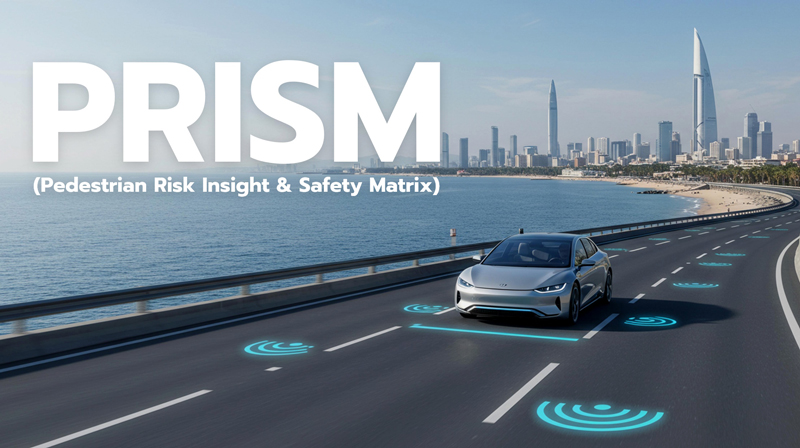
Entry No.29 WINter, Kookmin University (Korea)
 The 13th Honorable Judge Award Environment Design and IT Award (Prof. Tomohiro Fukuda)
Entry No.31 Horizon, Wuhan University of Technology (China)
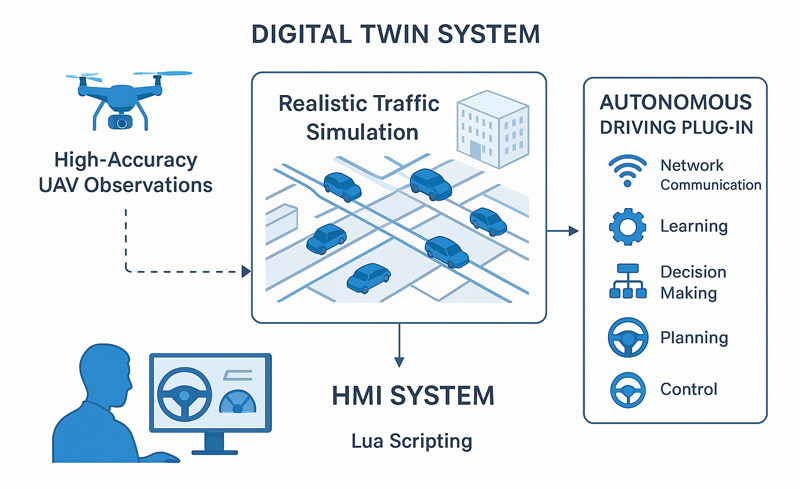 The 13th Honorable Judge Award Best Optimization Award (Prof. Makoto Sato)
Entry No.14 FlowPilot, Shanghai University (China)
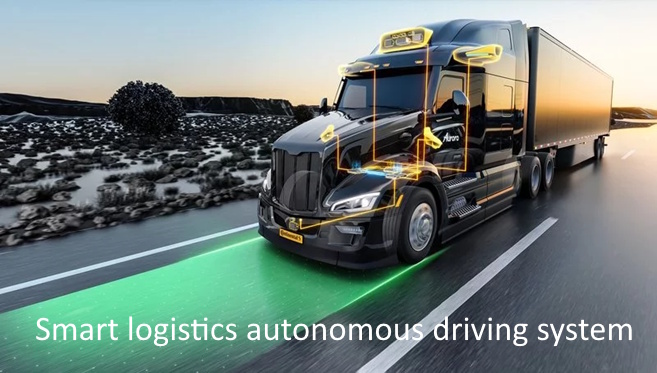
 The 13th Honorable Judge Award Innovative Design Award (Prof. Taro Narahara)
Entry No.01 Intelligent mobility in all domains, Fujian University of Technology (China)
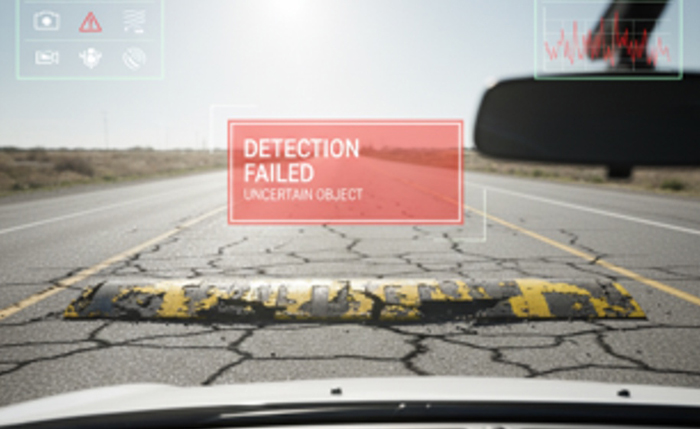
 The 13th Honorable Judge Award Connected Solutions Award
Entry No.39 AutoBump, Kookmin University (Korea)
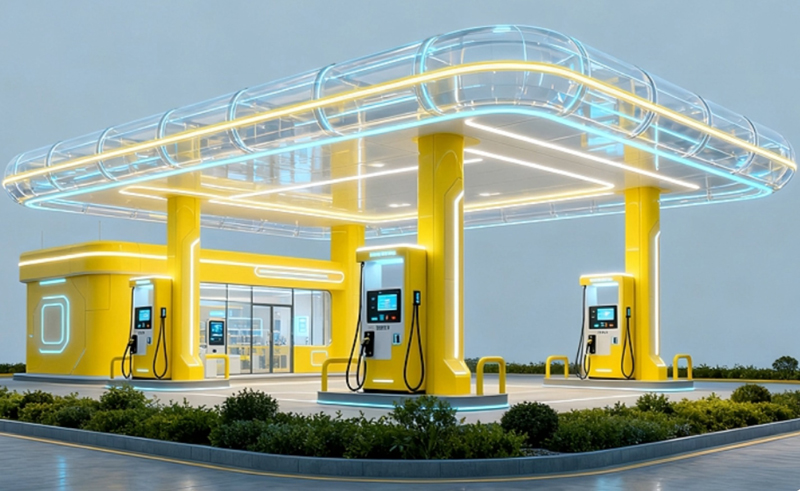
 The 13th Nomination Award
Entry No.18 SafeFlow Innovators, Shanghai University (China)
 The 13th Nomination Award
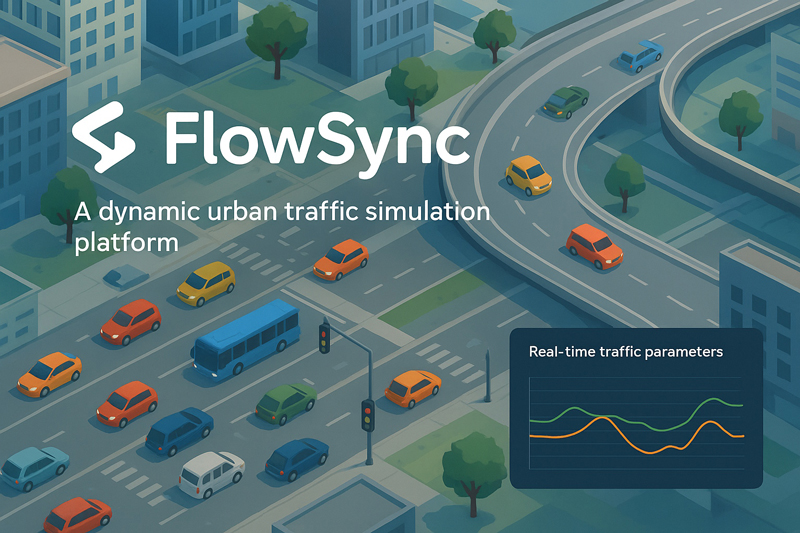
Entry No.28 LeMotion Dynamics, VNU University of Engineering and Technology (Vietnam)
 The 13th Nomination Award
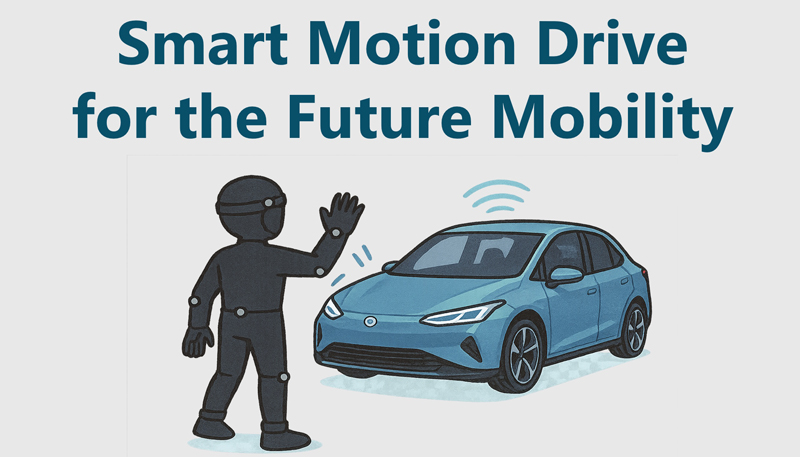
Entry No.35 Blooming, Sugiyama Jogakuen University (Japan)
 The 13th Nomination Award
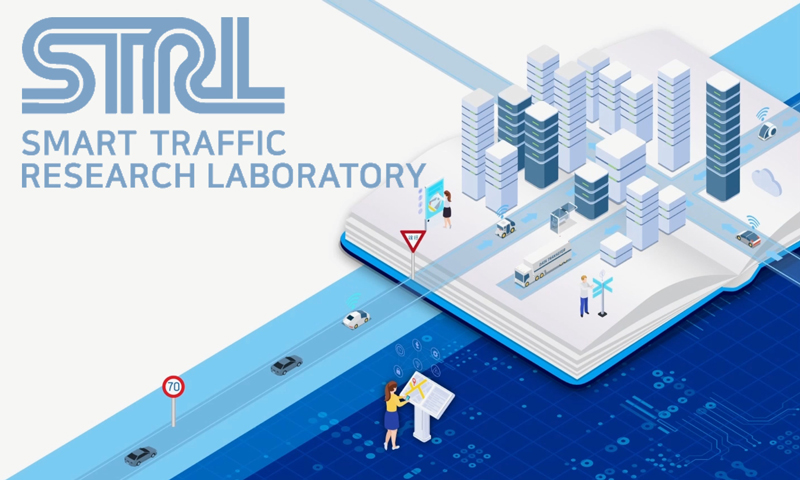
Entry No.43 STRL Team, Korea National University Of Transportation (Korea)


Cloud Programming World Cup
The 13th Cloud Programming World Cup for Students

Cloud Programming World Cup
The 12th Cloud Programming World Cup for Students

Cloud Programming World Cup
The 11th Cloud Programming World Cup for Students

Cloud Programming World Cup
The 10th Cloud Programming World Cup for Students
The 9th Cloud Programming World Cup for Students
The 8th Cloud Programming World Cup

The 7th Cloud Programming World Cup

The 6th Cloud Programming World Cup

The 5th Cloud Programming World Cup

The 4th Cloud Programming World Cup

The 3rd Cloud Programming World Cup
The 2nd Cloud Programming World Cup

The 1st Cloud Programming World Cup




